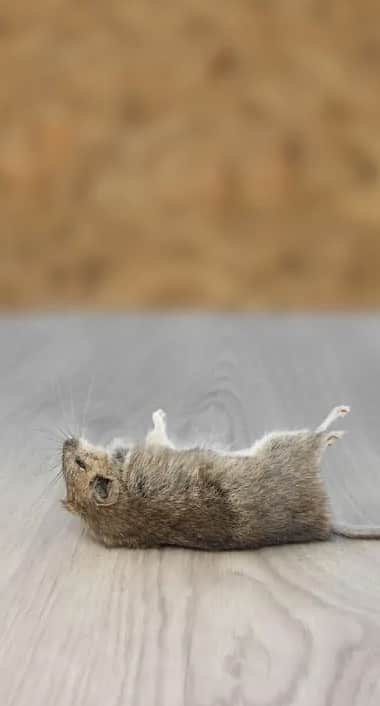
A dead animal inside your home is an unpleasant discovery, and it can also cause damage to your property - particularly when it is hidden in walls, roof voids or crawlspaces.
How Dead Animals Can Affect Your Home
1. Decomposition Fluids
As a carcass breaks down, it releases fluids that can seep into walls, insulation and flooring. These fluids can be difficult to remove and can leave stains on materials such as plasterboard and timber.
2. Attracting Other Animals
Dead animals attract flies and scavengers, and other animals may chew through wood, wiring or insulation while looking for food.
3. Dampness and Mould
The moisture from decomposition can create damp conditions. Left untreated, this can affect walls and ceilings over time.
4. Lingering Smell
The gases released during decomposition can soak into porous materials, leaving a smell that lasts. Removing the source and cleaning the area is important.
5. Damage Before the Animal Dies
Before it dies, an animal may already have caused damage by chewing or nesting in walls, attics or basements. Once it has died, the problem can get worse.
Signs a Dead Animal May Be Damaging Your Home
- Persistent smell: A rotting smell that gets stronger over time
- Unexplained stains: Dark or greasy marks on walls, ceilings or floors
- Fly activity: More flies or maggots near a particular area
- Noises that stop: Scratching or scurrying that suddenly stops
- Visible damage: Cracked or sagging plasterboard, gnawed timber or sagging ceilings near the source
How to Address the Damage
1. Locate and Remove the Animal
The first step is to find and remove the dead animal. If it is in a hard-to-reach area, a removal team may be needed.
2. Clean the Area
Clean the affected area thoroughly and replace materials, such as insulation or plasterboard, that have been badly affected.
3. Check for Further Damage
Look for signs of chewing, dampness or other problems near the source.
4. Repair and Restore
Replace damaged materials to restore the area, and consider a treatment to help freshen it.
Preventing Dead Animals and Damage
- Seal entry points with caulk, steel wool or wire mesh.
- Maintain your property by keeping the yard clear of food scraps and rubbish, and trimming bushes near the roof.
- Install barriers such as screens, grates or caps on vents, chimneys and crawlspaces.
- Act on the signs - droppings, chewed wires or unusual noises - before an animal can die in your home.
Why Dead Animal Removal Is a Smart Choice
A removal team can locate and remove carcasses from hard-to-reach areas without causing further damage, then clean up so you can get on with your life. David's Dead Animal Removal offers same-day and 24/7 emergency service.